Roof on, brickwork up, services in, and the last look before the linings.
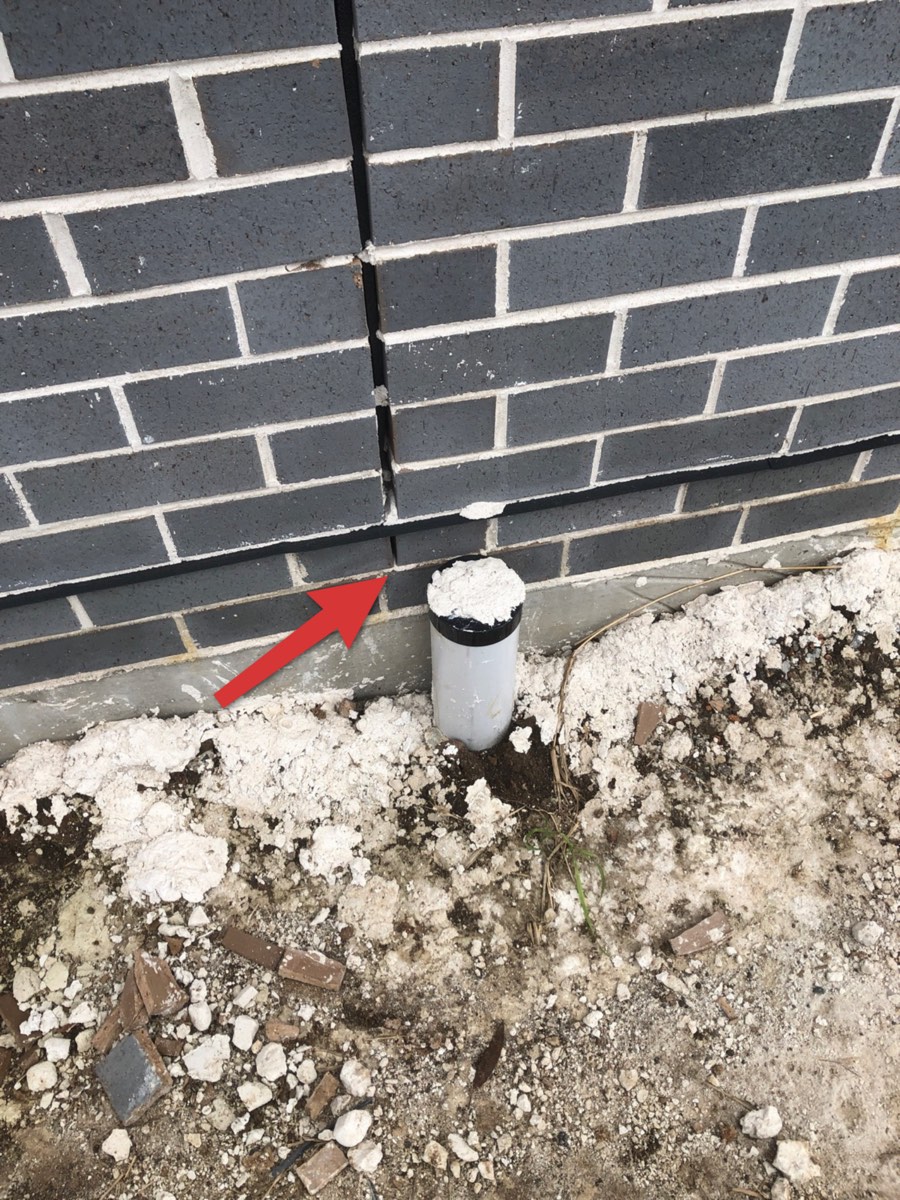
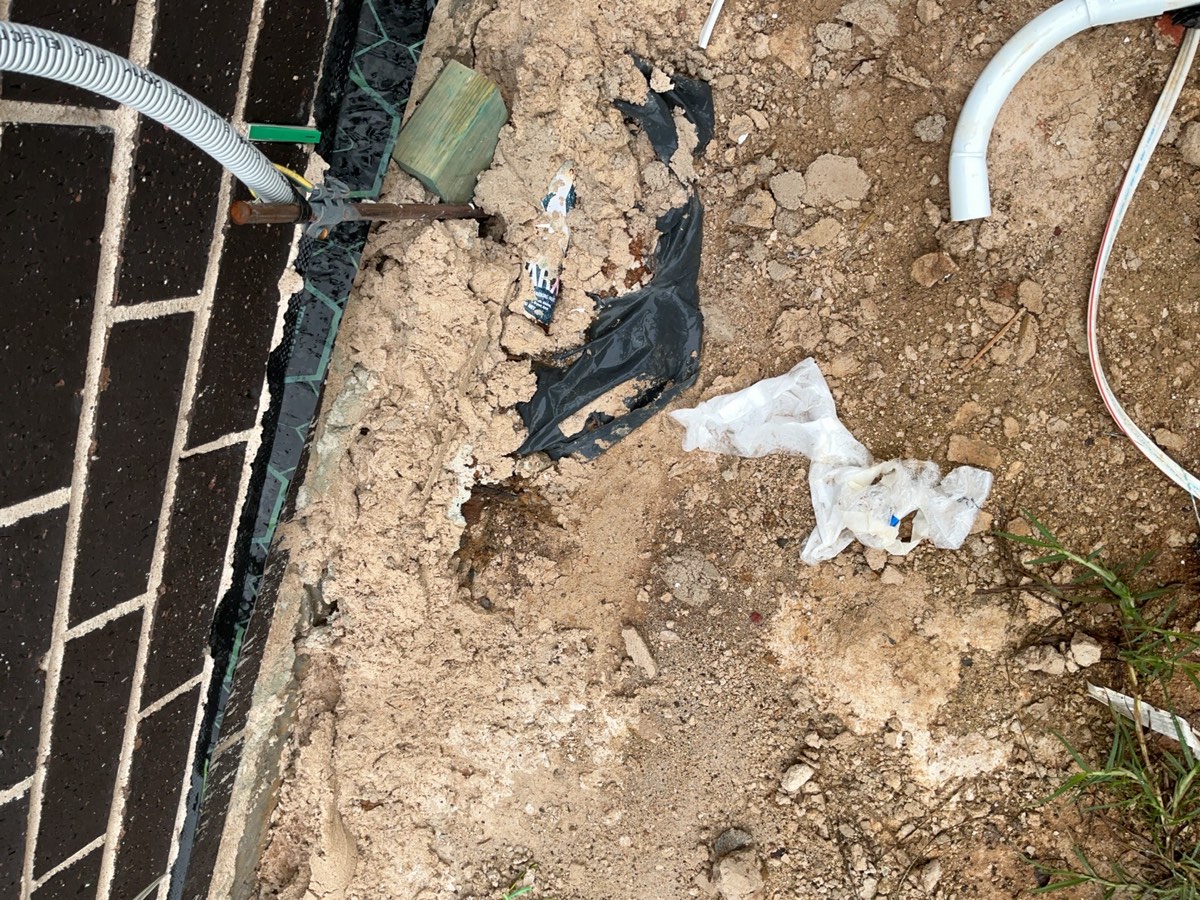
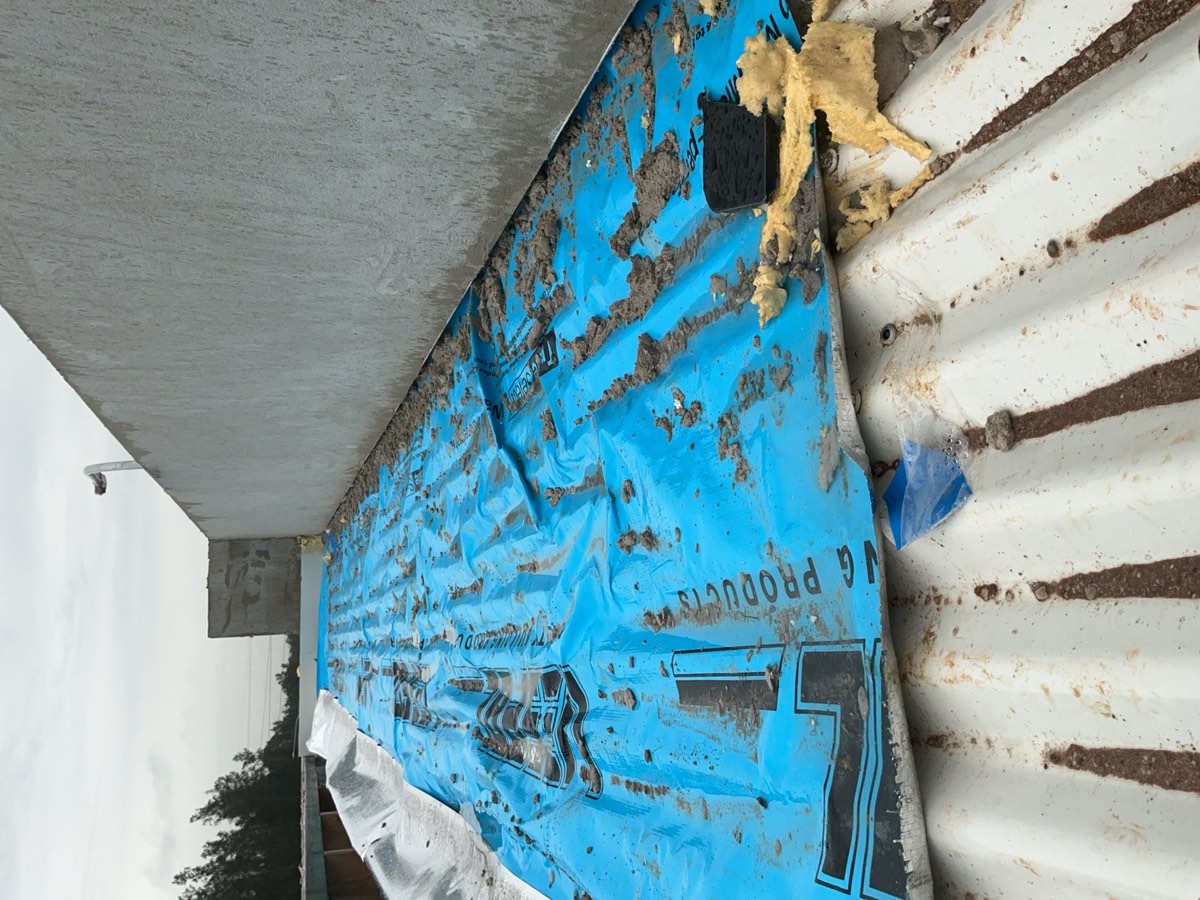
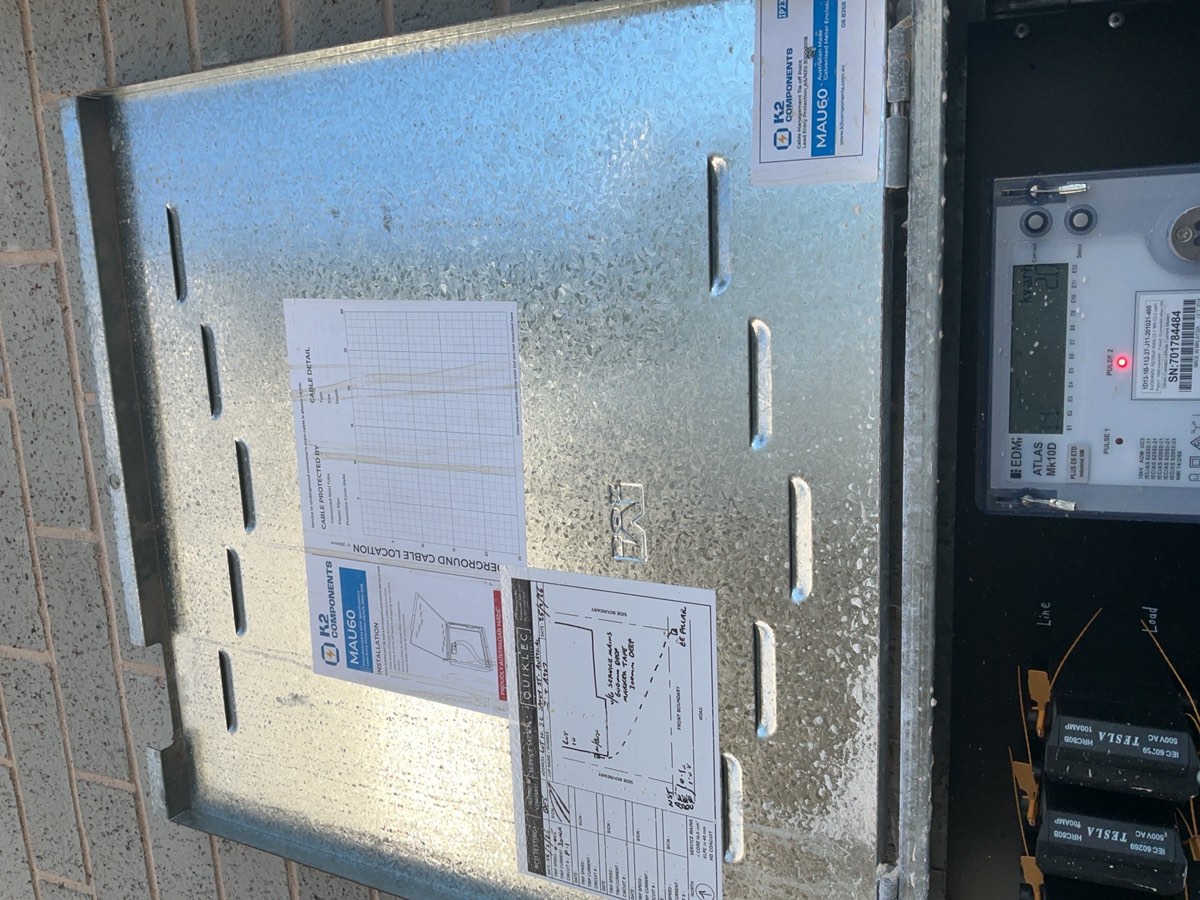
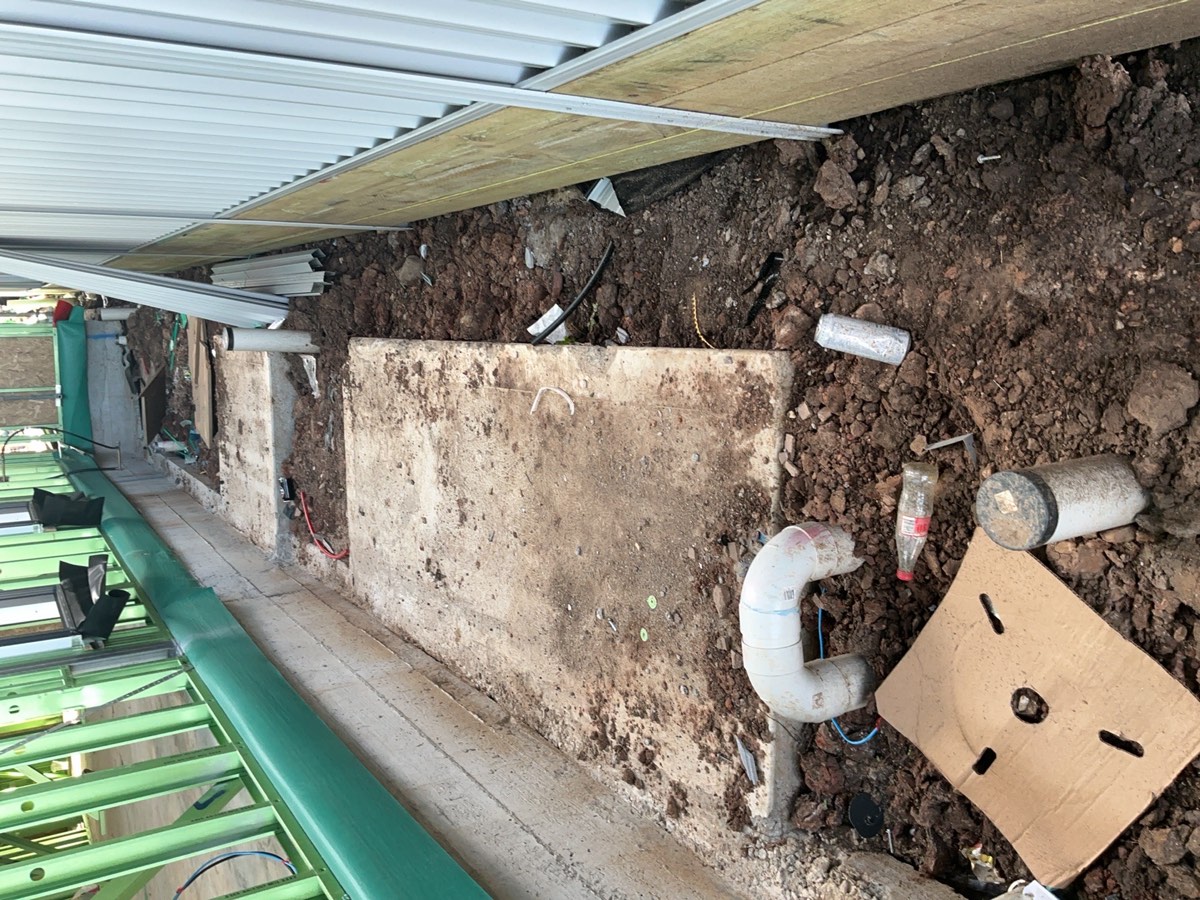
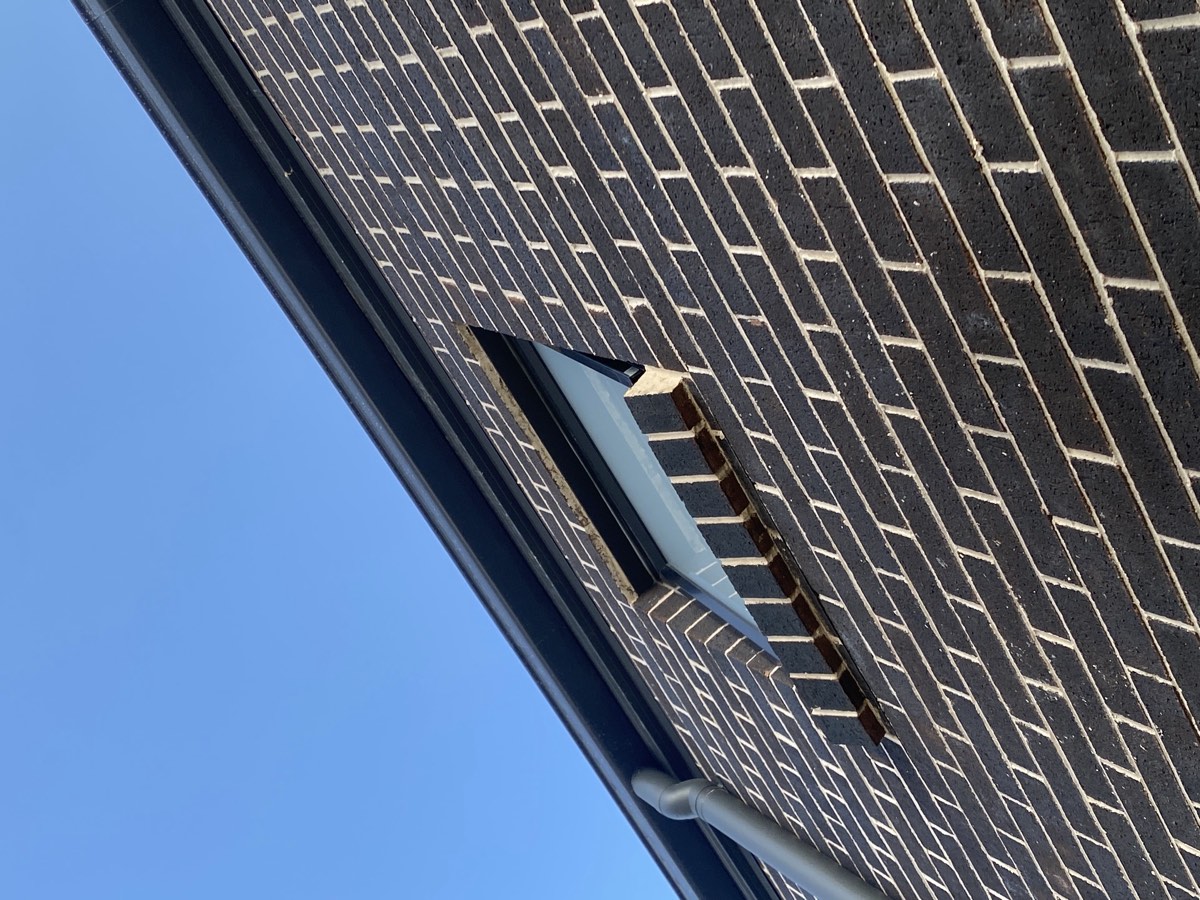
Lock-up is where the envelope gets its only unobstructed examination. The Austral lock-up run recorded an expansion joint not continuous and another not completed, mortar work described as poor with excess mortar in the cavity, render damaged, flashing poorly installed, a parapet capping area not complete, downpipes installed to the first floor only, a roof ventilator not installed, ceiling insulation not installed and the termite management notice not found in the meter box. One record simply says rectifications required prior to plastering. Every photograph here was taken in Austral, roughly six kilometres north west of Edmondson Park and in the same growth corridor. We would rather name the suburb than let another job read as local.
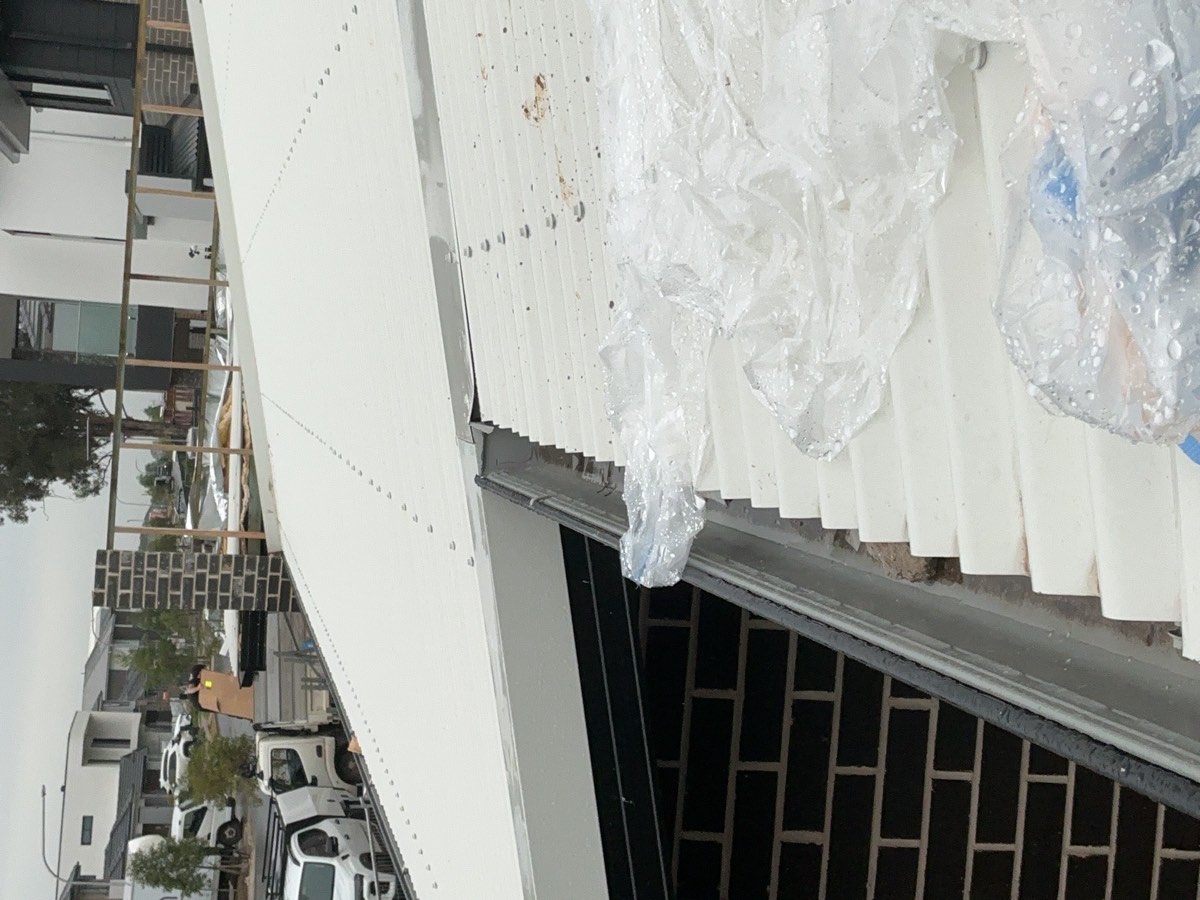
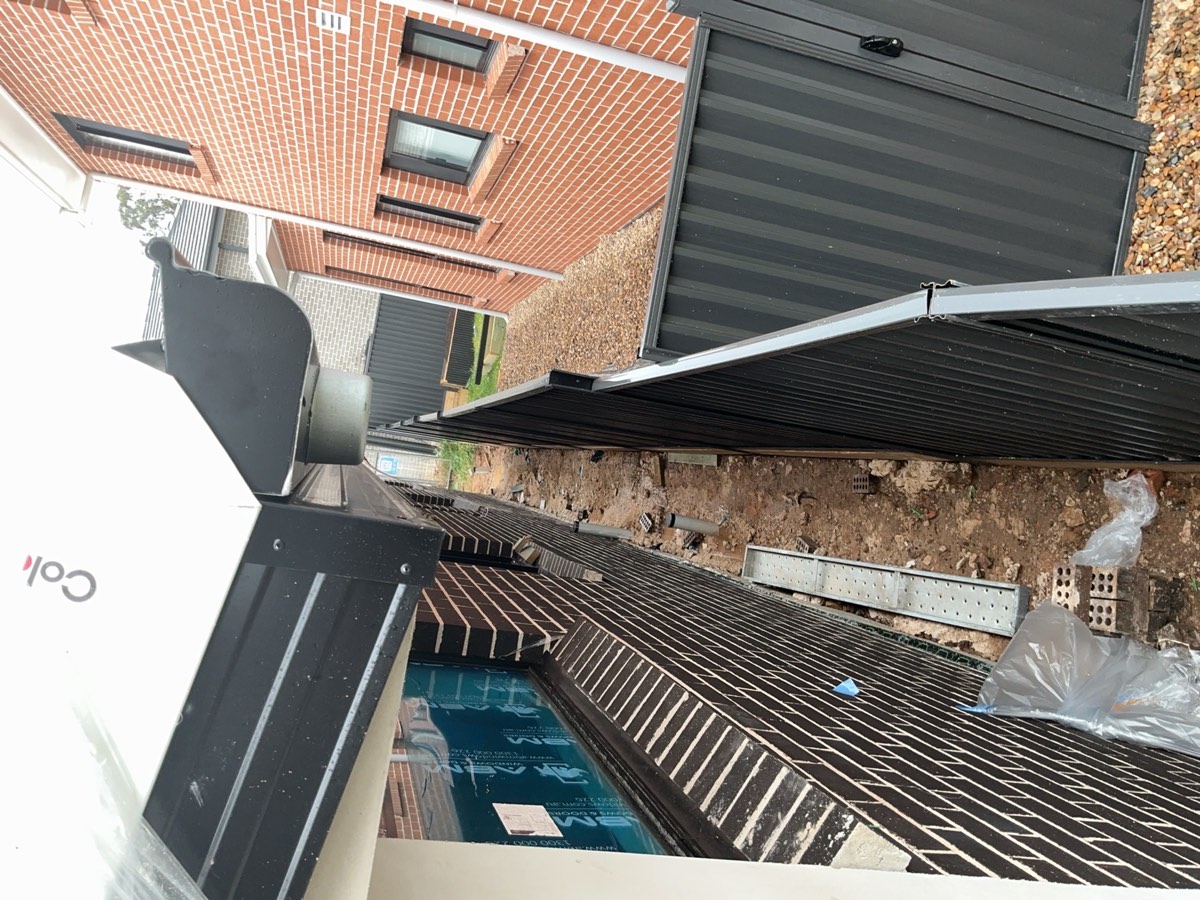
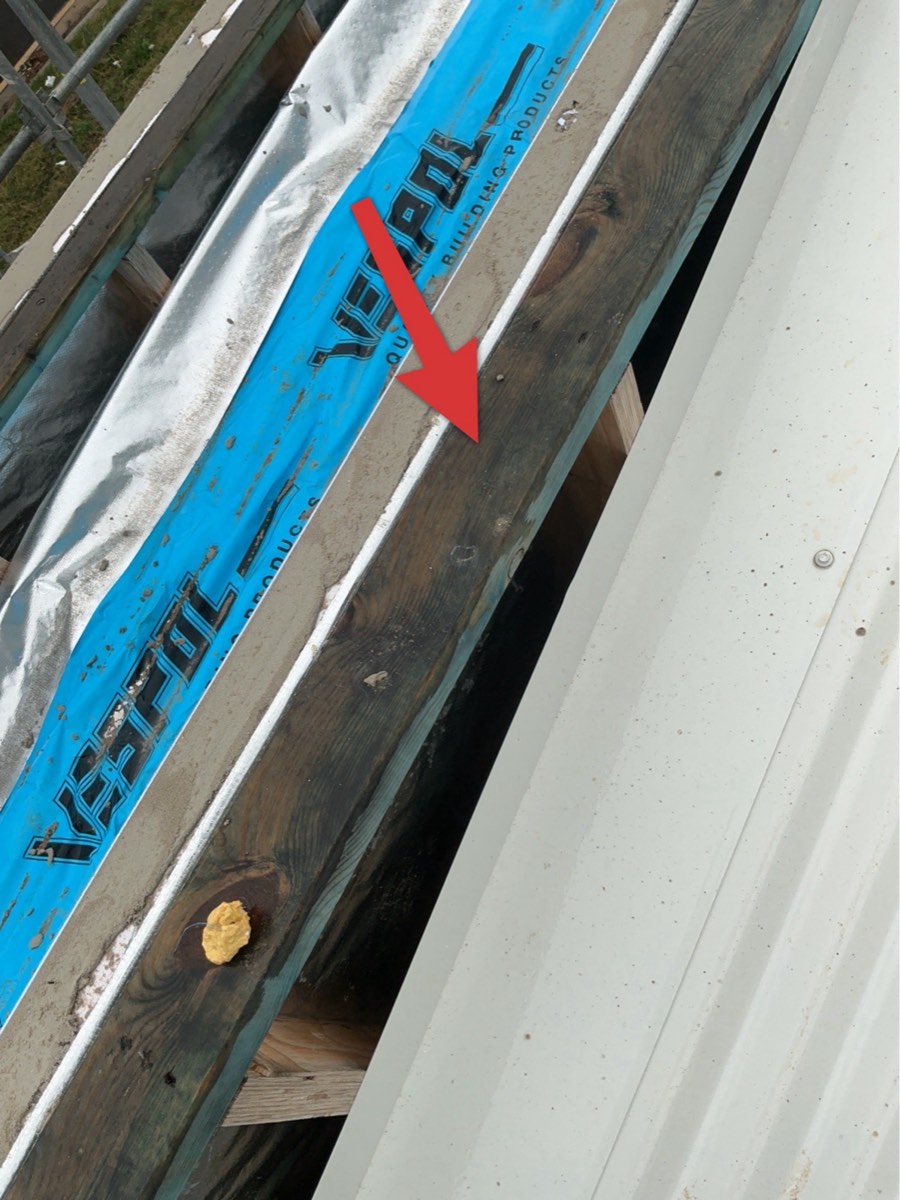
Annotated findings from Lock-up (pre-plaster) inspections on Edmondson Park builds. Client addresses withheld.
 1Bored piersAfter boring and cage placement, before concrete
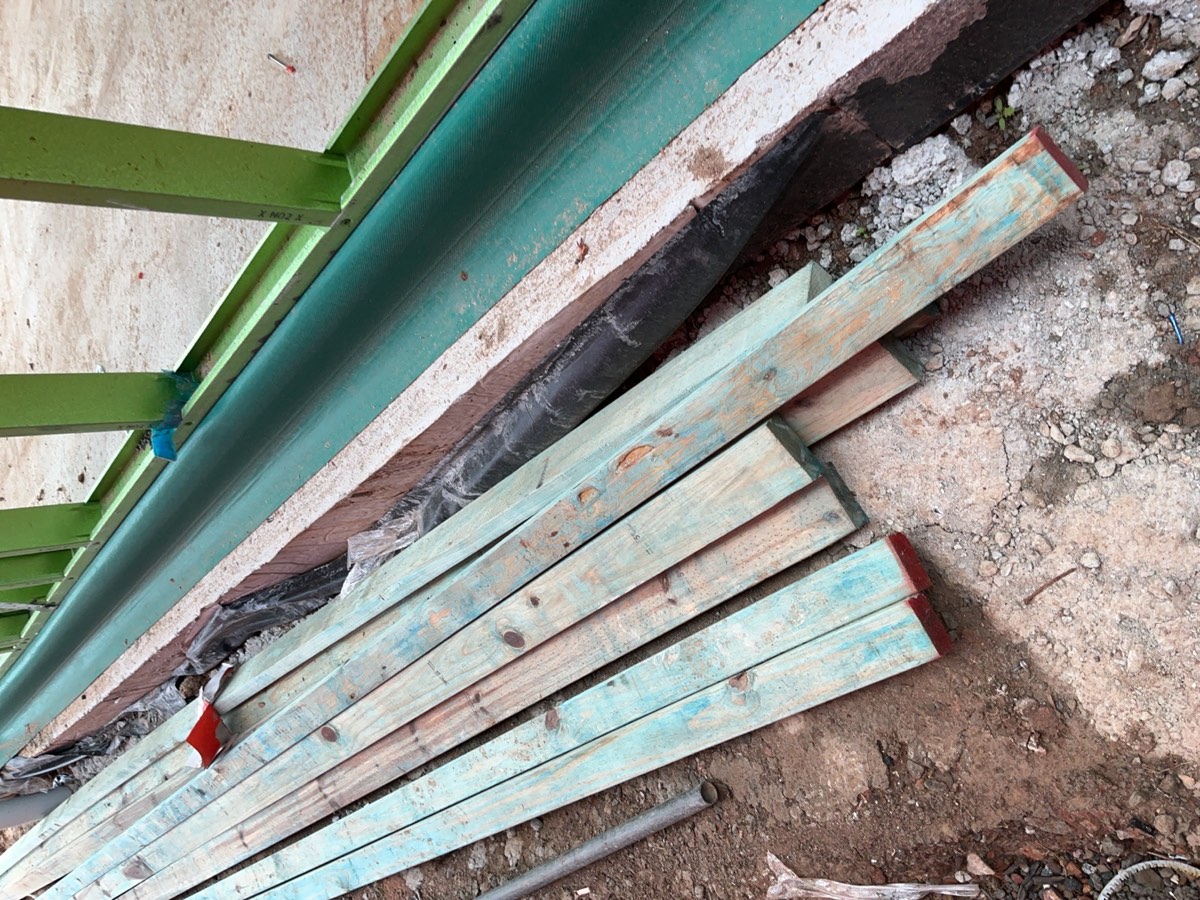 2Slab pre-pourThe day before the pour, steel and formwork complete
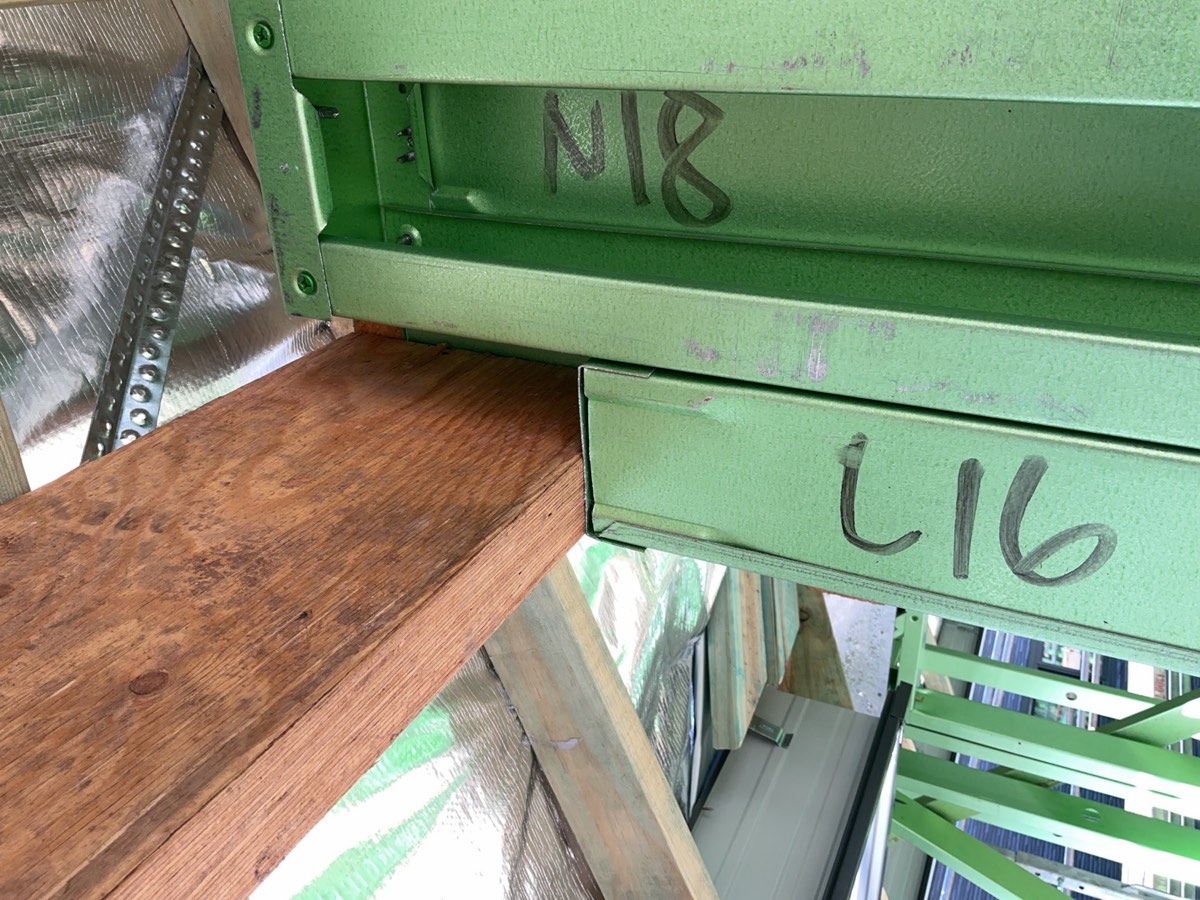 3FrameOnce frame and trusses are up and the roof is on, before lining
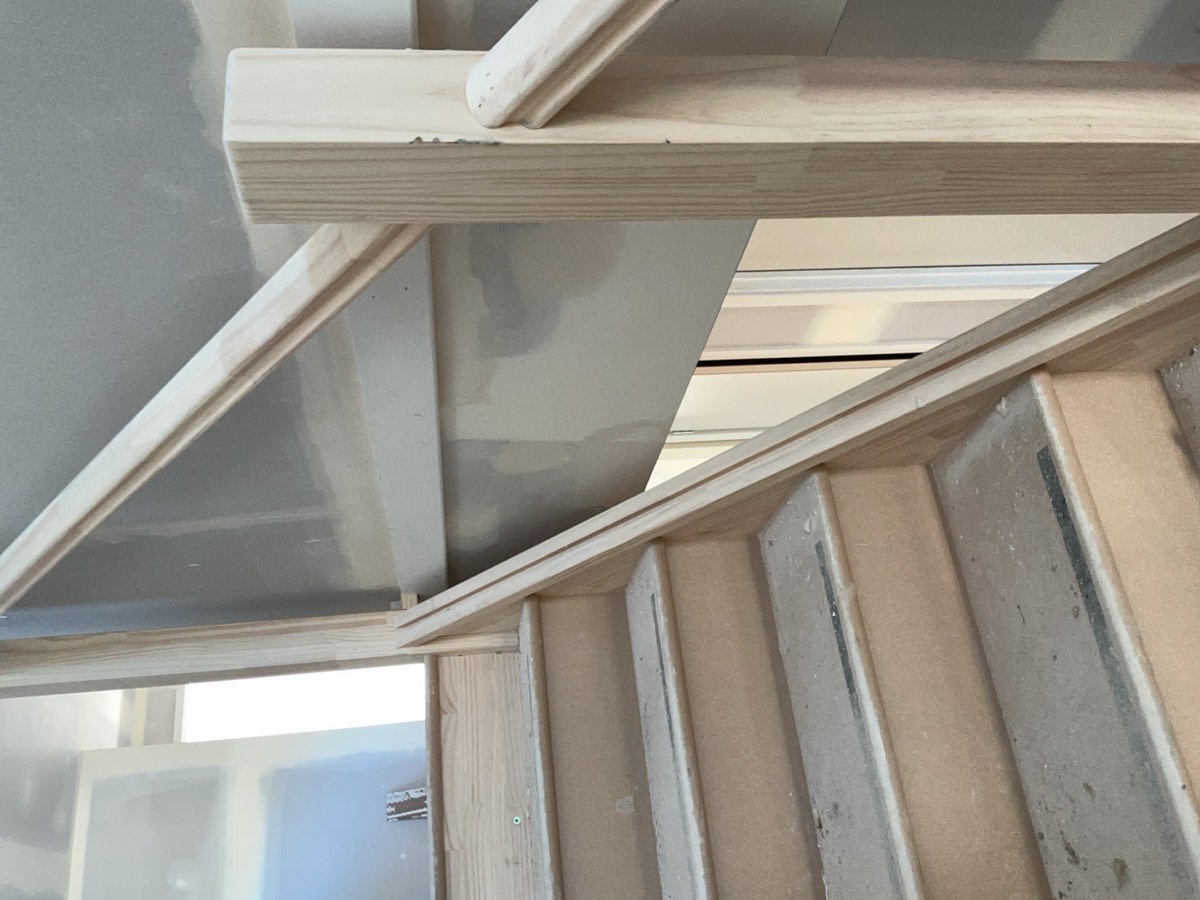 5FixingAfter mouldings, doors and joinery, before the painter
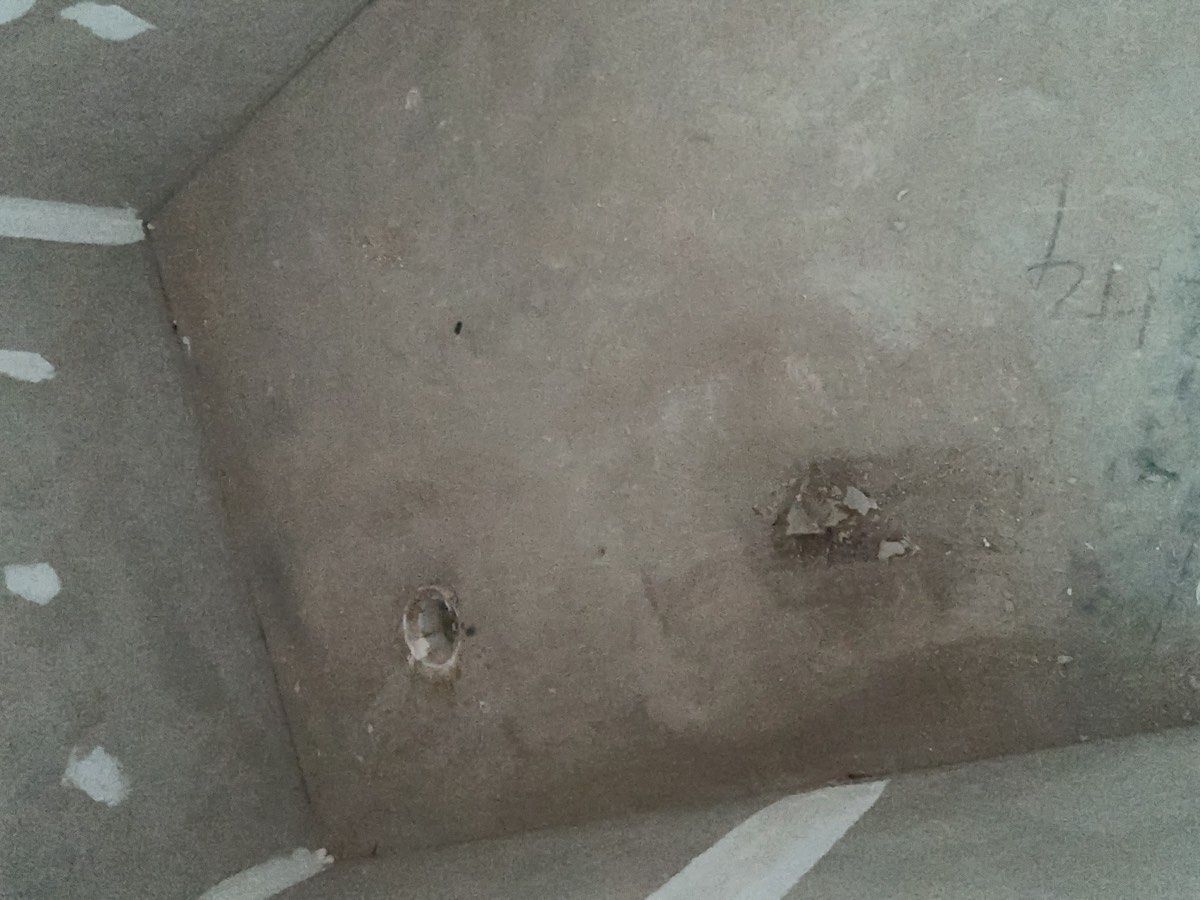 6WaterproofingAfter the membrane is applied and before any tile is laid
 7Pre-handover (PCI)Two to three weeks before your handover date
Instant online pricing, or talk to the booking team on 1300 471 805.
It exists to let a masonry wall move without cracking. Interrupted, the wall is continuous through the interruption and the movement goes somewhere else, usually into a crack of its own choosing.
Dropped into the cavity it bridges the gap between the two skins, so water crossing the cavity has a path to the inner leaf instead of running down and out.
At lock-up it is an incomplete item rather than a defect, and that is exactly why it is recorded then. Left to handover it becomes a roof full of water with nowhere to go.
It was found missing at lock-up on this run, which is early enough to fix easily. It is required under AS 3660 and it lives in the meter box.
About two hours, with the report the same day, because the plasterer is usually days away.
We assess what is still exposed and record which areas were already closed, so you at least know what could not be seen.